(Reported by Bin Wu, Xiangyuan Guo) Love is an inevitable and much-discussed topic in the journey of growing up. College students, in the prime of their youth, are full of anticipation and yearning for intimate relationships. Yet at the same time, blurred romantic boundaries, distorted patterns of interaction, insidious emotional manipulation, and the unfamiliar concept of PUA (pick-up artistry) in intimate relationships have left many students trapped in emotional drain, losing themselves amid confusion and anxiety. To guide students toward a healthy outlook on love and marriage, to help them define clear boundaries in romantic relationships, and to equip them with the ability to recognize emotional traps and resist psychological drain, the 79th Soul Forum was successfully held in Lecture Hall L2211 on May 28. The event was hosted by the Student Affairs Office and the Psychological Health Education Center, and organized jointly by the School of Materials Science and Engineering and the School of Management. The lecture specially invited Zhilai Han, Director of the Psychological Health Education Center at Wuhan Huaxia University of Technology, to be the keynote speaker. He offered a comprehensive dissection of the pain points in romantic relationships among contemporary college students, shared knowledge about intimate relationships, and taught anti-PUA skills, helping young students learn self-love and the ability to love others, so they can embrace healthy intimate relationships.
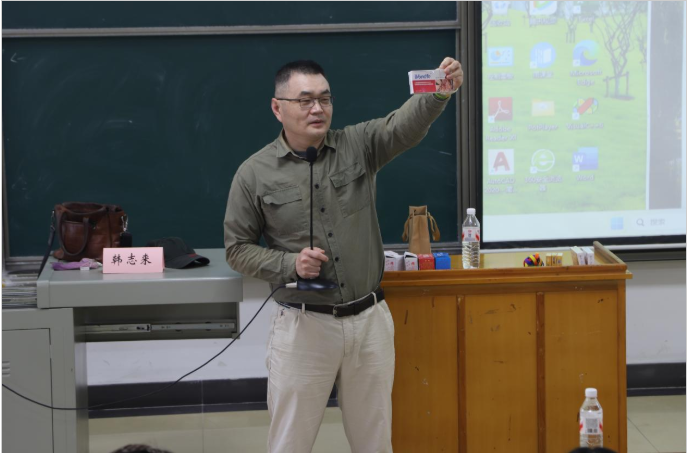
Once the lecture officially began, Han took an innovative approach to his teaching, using fun, thought-provoking questions to break the ice and quickly close the distance with the students. Centered on hot topics such as "What defines a 'good girl'?" and "What constitutes a healthy love?", he guided the students, step by step, into deeper reflection. The room came alive as students eagerly raised their hands and shared their own views, confronting their emotional confusions head-on in this dynamic Q&A session. Throughout the lecture, Han wove together traditional Chinese views on sexuality with the current landscape of young people's romantic relationships, using real and vivid campus cases and accessible language to systematically explain the bottom lines in male-female interactions, the principles of sexual consent, common cognitive misunderstandings between the sexes, and knowledge of self-protection. Meanwhile, he dissected the underlying tactics of PUA in intimate relationships and methods of psychological control, categorized different types of emotional traps, and shared tailored defense strategies. In doing so, he helped students accurately distinguish between ordinary romantic disagreements and malicious psychological manipulation, dismantling outdated and one-sided biases about love and marriage. To boost student engagement and encourage proactive thinking, Han also prepared small, attractive gifts, which helped keep the classroom atmosphere relaxed and enthusiastic.
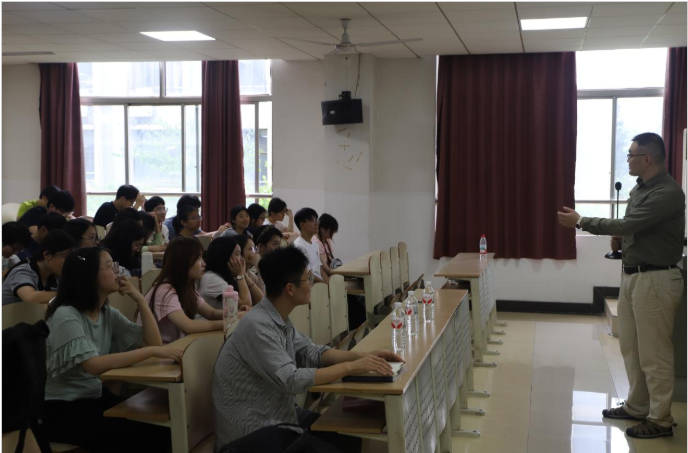
The 100-minute lecture was packed with substance and punctuated by constant applause. Unlike traditional one-way lectures, this forum placed a strong emphasis on two-way interaction and communication. During the dedicated Q&A session, students boldly raised questions and voiced their confusions about romantic relationships, interpersonal communication, emotional regulation, and anti-PUA techniques. Drawing on his years of frontline psychological counseling experience, Han addressed each question in detail and offered simple, actionable advice, genuinely helping the students ease their emotional anxieties. When the lecture ended, the students were still reluctant to leave; many gathered around the podium to continue asking questions and to share their own emotional experiences. Quite a few students remarked that the lecture had completely overhauled their preconceived notions about love and intimate relationships and that they had gained a great deal from it, expressing the hope that the university would hold more high-quality psychological events of this kind in the future.
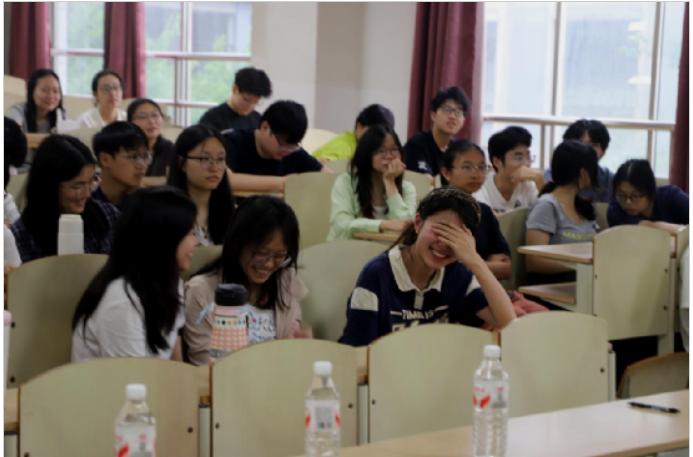
As the event drew to a close, Bin Wu, a counselor from the School of Materials Science and Engineering, expressed his sincere gratitude to Zhilai Han for his heartfelt sharing. He encouraged all students to cultivate a healthy and independent outlook on love and marriage, to recognize boundaries in relationships, to identify unhealthy emotional traps, to reject emotional drain, and to grow toward the light through loving and being loved. This special psychological lecture was both practical and educational, precisely targeting the emotional pain points of contemporary college students and effectively addressing the deficiency in love and relationship education for young people. The lecture not only helped students break through misconceptions about romantic relationships and master practical methods for identifying emotional traps and managing emotional drain, but also guided them toward a healthy view of love and marriage grounded in self-respect, self-love, and equal, mutual relationships. At the same time, it enriched the university's mental health education delivery platforms, strengthened the multi-tiered system of psychological education, and effectively shored up students' psychological defenses, helping young people balance interpersonal relationships and emotional lives, and face the many challenges of growing up with a healthy, composed, and optimistic mindset.